
Deciphering the Mechanics of the Game Underlying Cash or Crash Live
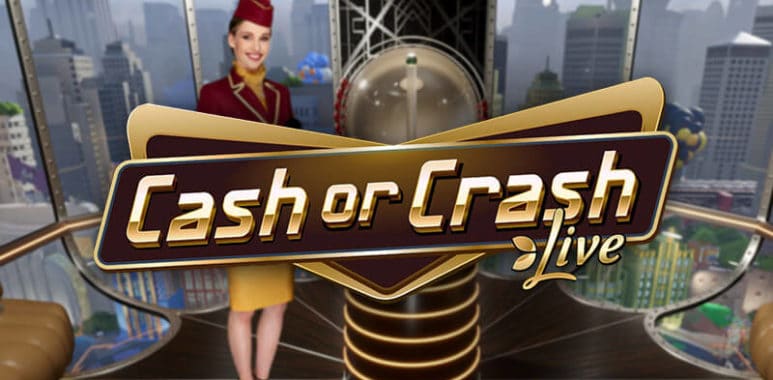
Cash or Crash Live carves its own space in the live game show world cashorcrashcasino.com. Its charm resides in a strong combination of studio spectacle and game design that makes each round a personal challenge of nerve. This isn’t a mere spin of a wheel of chance. In this experience, you are in control, actively deciding that influence your payout. The idea captivates you with a rising multiplier, then challenges you to take it before a hidden “crash” resets everything. To fully benefit from the game, you should see beyond the flashy show and grasp its real function. Let’s examine the rounds, the host’s function, the math behind the risk, and the strategies players can use to manage the excitement.
The Main Goal and Fundamental Process
The aim of Cash or Crash Live is easy on the surface. You have to decide when to exit a increasing multiplier before a concealed “crash point” concludes the turn and takes your profits for that level. Every game commences with players putting bets. A rocket then begins its ascent, and a multiplier starts ticking up from 1x. The trip has several levels. Before launch, a hidden crash multiplier is chosen for each stage, hidden from everyone. As the multiplier climbs, every player decides to hit “Cash Out,” securing that multiplier on their wager, or to remain. If the rocket hits the secret crash point prior to a player cashes out, they surrender their wager for that stage. The loop of risk and reward repeats over multiple phases. Surviving players build their profits gradually.
Deconstructing the Stage Structure
Consider the game as a sequence of separate segments, every one a new gamble. Staying alive doesn’t remove you from the game. You advance to the subsequent stage with your accumulated winnings secure, then begin the risk process all over again on the next segment of the rocket’s flight. This setup is critical. It creates a drama, with tension that builds as you progress. The announcer amplifies the drama, announcing how many players are still riding the rocket as the multiplier achieves frightening levels. First rounds often see cautious plays. Later stages, with their high-stakes multipliers, entice you to bet the gains you’ve already banked. This structure is the core of the game’s appeal. It creates a series of independent, high-pressure decisions instead of just one.
From Low to High Risk: The Increasing Danger
Pay attention to the color-coded path the rocket travels. It’s a core part of the game’s language. The initial section is usually a “Green Zone,” a less dangerous phase where a crash is still on the table. Next, the rocket might enter an “Amber Zone,” a distinct indication that hazard is increasing. The concluding section is the “Red Zone.” Here, multipliers are their best, but the chance of a crash is numerically at its highest. Such visual cues are more than ornamentation. They offer a visual shorthand for the hazard level at each instant. They turn an abstract probability seem tangible. Knowing the game is purposely alerting you about increasing risk is a key piece of tactical knowledge.
The role of the live host and RNG
The presenter is more than just talk. They determine the game’s emotional pace. While they can’t affect the result, they skillfully build suspense. They announce the climbing multiplier and provide live updates on what percentage of the crowd is cashing out at each level. That social cue can mess with your head. But remember, the host operates independently of the game’s engine: the Random Number Generator (RNG). The crash point for each stage is determined by a certified RNG the instant the stage begins. This guarantees fairness and total unpredictability. The host has no clue when the crash will happen. Their job is entertainment. The RNG’s job is certifiable fairness. This combination blends transparent live action with provably random results.

Mathematical Underpinnings and Variance
Let’s examine the data that power the game. The crash multiplier for each stage is based on a set probability model. Frequent, small multipliers such as 1.2x or 1.5x have a high chance of being selected. Extremely high multipliers can occur, but are exponentially less likely. This design ensures the game stable. The regular, small crashes fund the infrequent, massive possible wins. The RTP figure is a theoretical percentage spanning millions of games. In a single gaming session, the fluctuations are extreme. You’re not wagering against the house in a standard manner. You’re making choices against a secret, unpredictable number. Remember these points:
- Separate Rounds: Each level’s crash value is a separate event. A 1.2x crash in the first stage does not predict the second.
- No Predictable Sequences: The RNG eliminates any predictable patterns. Past crashes or big wins have no bearing on the future.
- Casino Margin: The game is designed with an inherent house edge, which is shown in the publicly disclosed RTP from the provider.
Tactical Approaches and Player Psychology
No approach can beat the fundamental randomness. But you can use disciplined approaches to control your money and your mental state. The main conflict is a compromise. Do you lock in guaranteed profit, or aim for exponential growth? Gamblers often use strategies like the “Fixed Cash-Out.” In this case, you choose ahead of time to settle at a certain multiplier, say 2x, in every stage. This aims for steady, small profits. The contrary is the “Let It Ride” method, where you wager multiple stages for a shot at a huge reward, recognizing that losses will occur. A more calculated approach is the “Percentage Bankroll” method, where you adjust your stake based on your existing gains. The most important element, though, is in your psychology. Can you fight the “greed factor” when the multiplier rises? Can you escape annoyance after an early crash? Your best weapon is setting clear boundaries for yourself before the rocket even begins.
Typical Mistakes to Steer Clear Of
Watch out for a few common errors. The most damaging is “chasing” a loss. This signifies impulsively raising your stake after a loss, which contradicts the game’s round-independent nature. Another misstep is believing in the “hot hand” misconception, assuming a streak of big payouts is expected to continue. Permitting the commentator’s chatter or the actions of other users divert you from your own pre-set plan is frequent. Also, avoid misinterpreting the areas. The Amber and Red Zones aren’t challenges to beat. They are signals that the risk has spiked. Starting any round without a specific aim transforms the game from a session of decisions into a complete emotional journey. That journey hardly ever concludes favorably.
Finale: A Blend of Luck and Choice
Cash or Crash Live is a compelling combination of pure chance and deliberate decision. Its structure are structured to weave a narrative of increasing stakes, fueled by a transparent RNG and animated by a charming presenter. Determining winning as a fun and potentially lucrative game relies on various elements. It’s less about forecasting the random and more about grasping how the game is constructed. It calls for controlling your funds with discipline and controlling the psychological impulses the game masterfully stimulates. By learning its stages, understanding its statistical structure, and sticking to a custom plan, you can transform your outlook. You go from bewildered uncertainty to informed involvement in a remarkably thrilling live game show.