
Lucky Crumbling Game – Building a Gambling Legacy in Canada

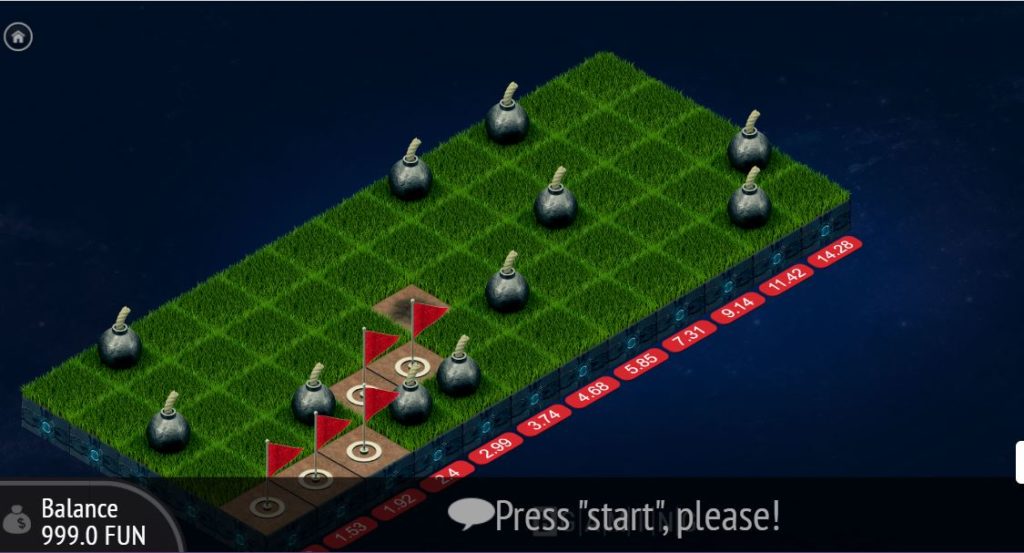
Lucky Crumbling Game has created a special space in online gaming, especially here in Canada. I’ve observed it evolve from a new idea into a digital mainstay. The game’s appeal doesn’t arise from being overly complex. Instead, it captures players over with a shrewd blend of simple rules, attractive graphics, and a cycle of gameplay that feels rewarding enough to attract people back. Its popularity across Canada didn’t come by accident. It illustrates how a game built with attention can connect with an community that likes gameplay that’s straightforward but still packs a excitement, especially when there’s a chance for real winnings. Considering everything from its fundamental idea to its strategic aspects makes one thing clear: Lucky Crumbling Game is beyond a method to kill the time. It’s creating a real legacy in a country renowned for its passionate and knowledgeable gaming crowd.
The Main Premise and Appeal of Lucky Crumbling
The idea of Lucky Crumbling Game feels simple at first glance, but that simplicity masks a lot of strategic possibility. You confront a structured grid filled with symbols, blocks, or tiles. Your main job is to pick and remove these pieces—that’s the “crumbling” part. Every action starts a chain reaction. Pieces tumble into new spots, which can set off matching combinations or unlock special features that lead to score multipliers or bonus rounds. This cause-and-effect loop generates a deeply satisfying rhythm. You get instant visual and sound cues for a good move, tapping into a basic sense of reward that makes each session hard to put down. For me, the game’s cleverness is in its accessibility. Anyone can grasp the basic rules in a minute, but mastering the cascading effects and finding the best crumbling patterns delivers a depth that keeps you coming back. It hits that sweet spot between casual fun and thoughtful tactics, which is a big reason it appeals to so many different players, from coast to coast in Canada and elsewhere.
Gameplay Mechanics and Strategic Depth
The game goes beyond just tapping and observing things collapse. The mechanics build a multi-tiered system where skill and chance play a part. The starting grid is usually random, so each session are the same. This brings an aspect of luck and makes the game highly replayable. But your actions shape everything. The depth of strategy comes from a few important choices, something I’ve seen in my own experience and in what other players talk about. The sequence you take out pieces in can completely alter how the sequence develops, turning a basic tap into a series that alters the whole board. Mastering the mechanics for special pieces is crucial for advanced play—knowing how wilds work, or the timing for triggering a bomb that clears a entire area, or the hits required a blocked piece needs.
Important Tactical Elements
Getting good at Lucky Crumbling means planning a few moves forward. It shares some DNA with classic puzzle games, but it offers its own style. You’re often trying to hit a high score or achieve specific objectives within a set number of moves or a time limit. That forces you to strategize effectively. A wrong choice can create the board a jumble of incompatible pieces, but a well-calculated crumble can wipe out huge sections and launch you into a lucrative bonus mode. This balance between the random setup and your controlled choices is what makes the strategy so compelling.
Expert-Level Strategies
Players who really dive in start considering advanced strategies. They search for patterns that trigger the biggest chain reactions. They manage limited tools, like moves or special abilities. They evaluate the risk of going for a high-value block that’s hard to access. The game stays fresh by adding level-specific hazards and objectives, which compels you to tweak your core strategy. This consistent addition of new tasks stops the gameplay from becoming stale. It makes sure that smart thinking and planning pay off more than just clicking without thought.
Visual and Auditory Design Philosophy
The visuals and audio of Lucky Crumbling Game draw you into the experience. Visually, it features a lively, uncluttered look with sharp icons and seamless transitions. Every time you crumble something, there’s a small show—tiles shatter, particles fly, and new pieces move into position with a polished grace. This isn’t just for show. It provides you with instant, unmistakable response on what you just did and what the board now looks like. The color palettes are vibrant but carefully picked so key elements, like special blocks or targets, pop out clearly. This cuts down on confusion when things get hectic. I appreciate that the art feels contemporary and captivating without tipping into something too childish or flashy, a balance that helps it draw in a diverse array of players.
The sound design aligns with the visuals seamlessly. Every interaction has its own crisp, tangible sound effect: a solid crunch for a crumble, a bright chime for a match, a celebratory blast for a bonus round. These sounds form a complex tapestry of auditory feedback that amplifies the tactile satisfaction of playing. The background music tends to be lively and dynamic, intended to keep you engaged without getting tiresome or repetitive. This synergy between what you see and what you hear is a major component of the game’s “one more turn” magic. It constantly rewards you on a sensory level, making the simple act of playing feel satisfying and sleek.
Progression Systems and Audience Loyalty
One major reason has stayed popular is its smart use of progression systems. These systems provide players motivation to stick around long-term. Unlike old arcade games that restart every time, this game connects each session into a larger journey. The primary path is usually a series of levels. Each level has its own unique puzzle layout with specific goals, like hitting a target score, removing a certain number of special tiles, or rescuing trapped items. Completing a level unlocks the next one, driving that strong urge to try “just one more.” I’ve observed that the difficulty curve is adjusted carefully. It offers a balanced challenge so players experience a sense of achievement without slamming into a wall of frustration.
On top of the sequential levels, the game adds in other meta-systems that enhance the engagement. These often include:
- Everyday Challenges and Missions: These offer unique, time-limited objectives with bonus rewards. They promote daily logins and push you to try alternative play styles.
- Collecting Mechanics: Players collect sets of items or characters through standard play. This caters directly to the completionist in all of us.
- Boosters and Power-ups: Tools you can earn or build to help with challenging levels. They bring a layer of resource management and tactical choice.
- A Periodic Reward Track: A common feature where you earn points just by playing. Over a defined period, like a month, you access tiers of rewards.
All these systems operate in unison. They deliver multiple simultaneous goals, so you continually have a quick task to complete right now and a bigger aspiration to work toward over time. This stacking is a foundation of modern game design for holding players interested week after week.
Canada’s Market Resonance and Cultural Alignment
It’s worth considering why Lucky Crumbling Game gained such a strong foothold in Canada specifically. Canada has a significant, tech-friendly population hungry for digital entertainment, but it’s also a market with its own preferences. From what I’ve noticed, Canadian players often lean toward games that offer high production quality, fair monetization, and a good mix of casual fun and meaningful engagement. Lucky Crumbling fits this bill neatly. Its polished design satisfies the expectation for quality. Its core gameplay—easy to learn but tough to master—suits a diverse audience that includes casual gamers seeking a relaxing break and more dedicated players wanting a challenge.
The game’s themes also contribute. They usually stay away from heavy cultural specifics, selecting light, universal ideas like adventure, treasure, or fantasy. This ensures it is accessible across Canada’s multicultural and bilingual landscape. The social features often included, like friendly leaderboard competition or the ability to share lives and achievements, utilize a community spirit many Canadian players value. The game doesn’t just succeed in the market; it appears designed for it. It provides a reliable, fun, and fair experience that has built a loyal and growing player base from Vancouver to St. John’s.
Comparisons and Place in the Gaming Ecosystem
To see Lucky Crumbling Game’s standing in the wider world of gaming, it helps to measure it aviacasino.games. It belongs in the popular casual puzzle genre, but it has created its own identity. Next to classic match-3 games, Lucky Crumbling provides a more direct, physics-influenced interaction. Your main input is selecting which piece to remove, rather than swapping adjacent pieces to make matches. It seems different—more like strategic demolition than pattern matching. Versus bubble shooter games, it shares that potential for big chain reactions, but it anchors the action in a stable grid, which enables for more deliberate planning.
The game also fits the trend of “hybrid-casual” titles, which blend simple core loops with deeper progression systems from mid-core games. In a crowded market, it stands out for a few reasons:
- A Focus on Tactical Cause-and-Effect: The joy stems from predicting the cascade, which offers a specific kind of puzzle-solving satisfaction.
- High Polish and Sensory Feedback: The production values in both visuals and sound are consistently top-notch, providing it a premium feel.
- Equitable Monetization: It typically uses a player-friendly model where skill and persistence are rewarded. Paid options seem like a choice, not a requirement.
- Versatile Theme: The crumbling mechanic can be wrapped in almost any theme—adventure, sci-fi, fantasy. This enables the core experience stay fresh for years.
This unique spot allows it attract players from several nearby genres. It’s not a passing fad. It has set itself as a versatile and enduring title.
The Path Forward and Changing Legacy
As Lucky Crumbling Game carries on building its legacy, especially in Canada, its future will hinge on evolution and paying attention to its community. The core gameplay is strong, but lasting in the digital age means consistent updates and a reactive development team. I anticipate seeing new mechanics added over time, like engaging board elements, multi-phase levels, or team-based social challenges. These would keep the core experience feeling new. Consistent content updates—new level packs, holiday-themed events, additions to collection systems—are essential to keep dedicated players hooked. Just as important is cultivating a strong community. Open communication, leveraging player feedback to shape updates, and backing community-led events can transform a player base from passive consumers into active participants in the game’s world.
The legacy emerging is one of reliable, quality entertainment. For a lot of players in Canada, Lucky Crumbling Game has become a reliable digital companion. It’s a game to de-stress with that still stimulates your brain. It’s a consistent source of rewarding challenge in a sea of more taxing or short-lived titles. Its legacy isn’t just in download numbers or monthly active participants. It’s in the regular habits it has formed and the positive feelings players associate with its particular brand of fun. By holding to its core strengths while innovating intelligently, the game is poised to remain a pertinent and adored part of the gaming landscape for the long haul. It is creating a lasting gaming legacy, one rewarding crumble at a time.